How To Brew Espresso Coffee The Official Italian Way
In a country that takes their coffee culture so seriously, it is no surprise that there is an official process for brewing Italian espresso coffee.
I’ve been enjoying all types of espresso coffee for years, both at home and in a coffee bar. While I am a curious person, I hadn’t taken the time to learn more about the specific requirements for brewing an espresso. Imagine my surprise when I learned how specific the restrictions are. But, what are the implications?
For me, it confirms what I already believed: my stovetop espresso maker does not brew real espresso. It isn’t a surprise, but at least now I can articulate why this is so. It also puts requirements on capsule espresso makers if they want to claim a level of authenticity.

How Do You Brew Espresso?
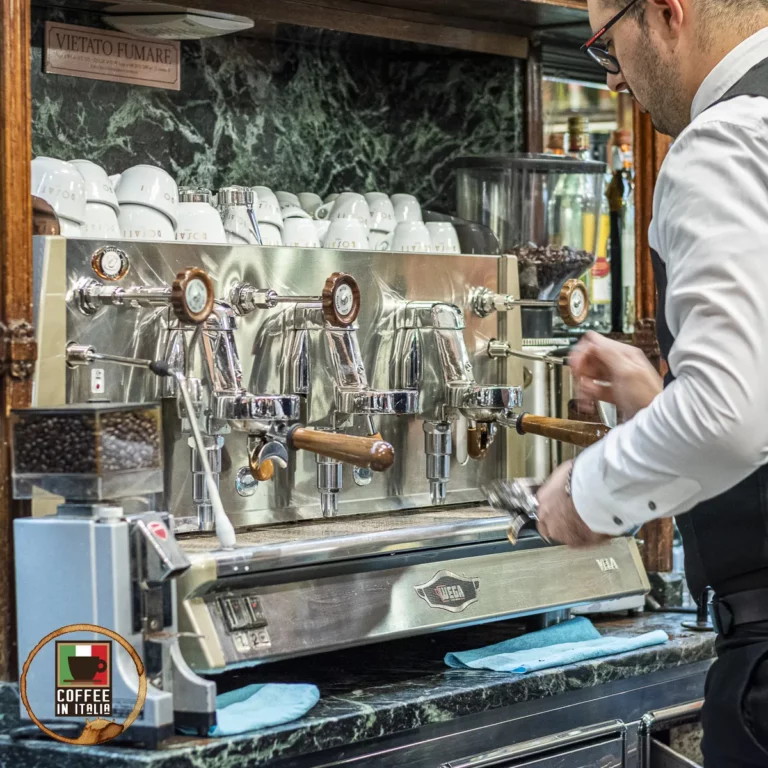
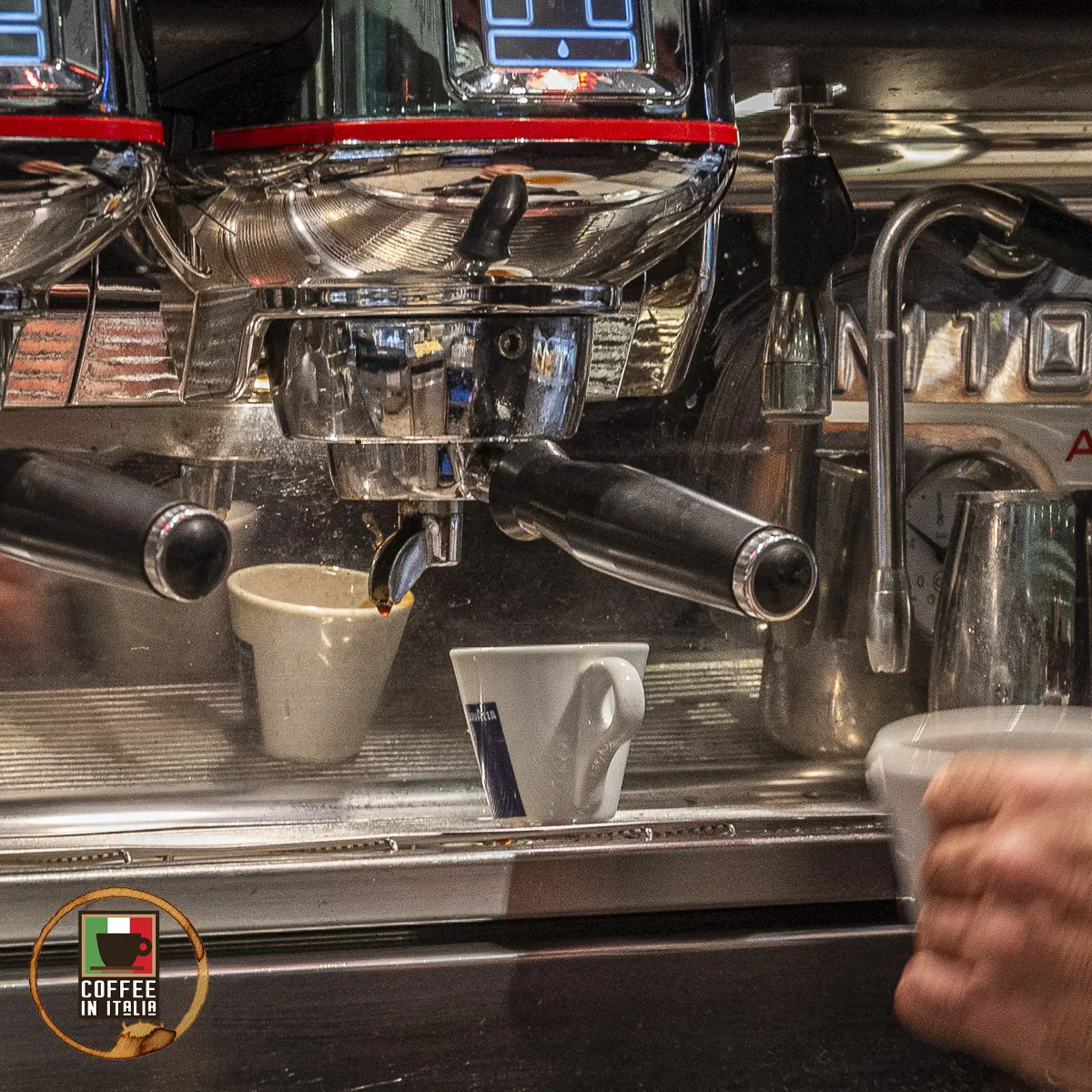
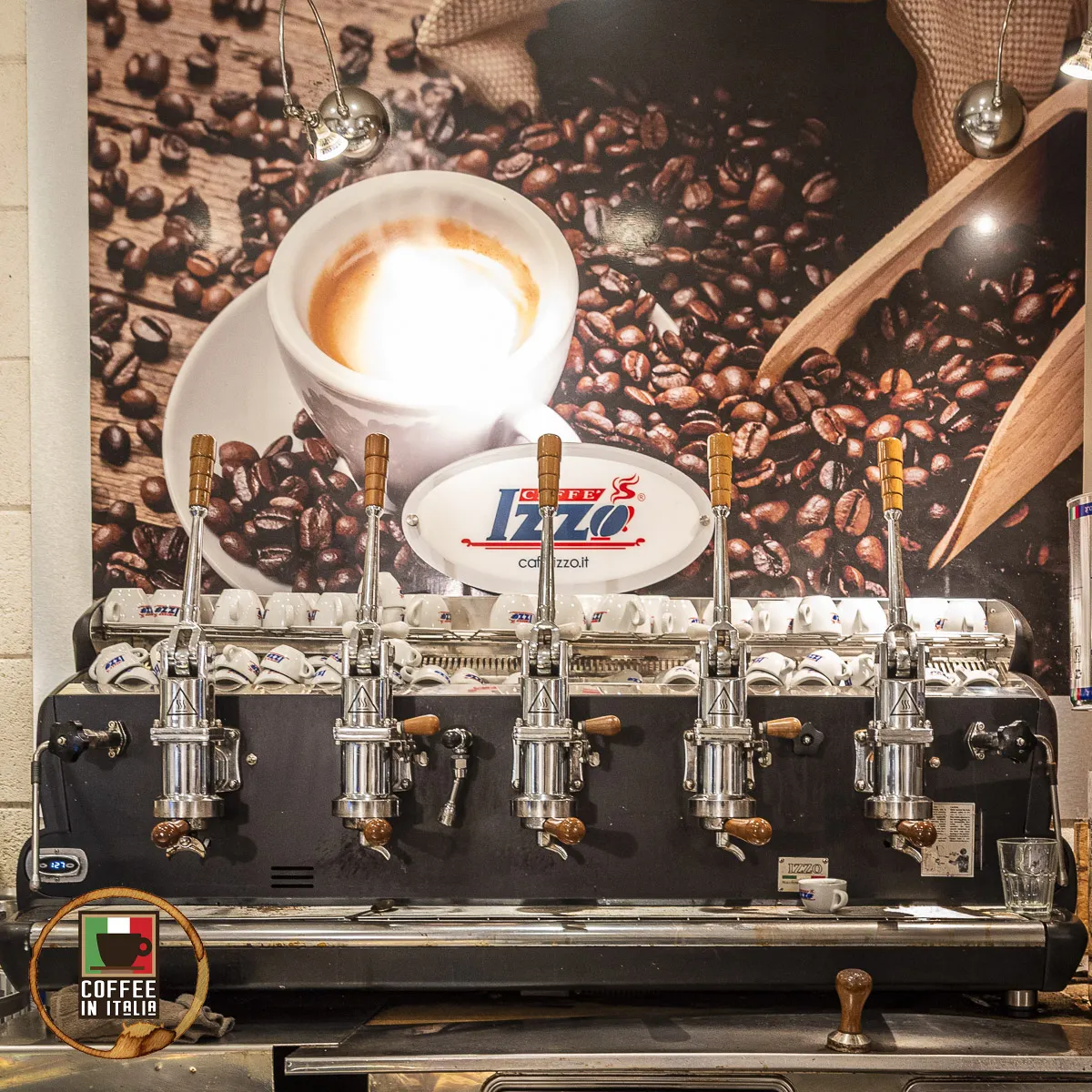
To make espresso in a proper (i.e. commercial style espresso maker), you force pressurized stream through finely-ground, compacted Italian coffee. This requires a specific fine grind, even distribution and firm tamping for a rich shot with crema.
There are other methods, like using a Moka pot at home or a capsule style espresso machine, but these don’t meet the official requirements. You can get a good cup of espresso, but nothing is better than going into a coffee bar in Italy and enjoying the real thing.
How Can I Make Espresso At Home Without A Machine?
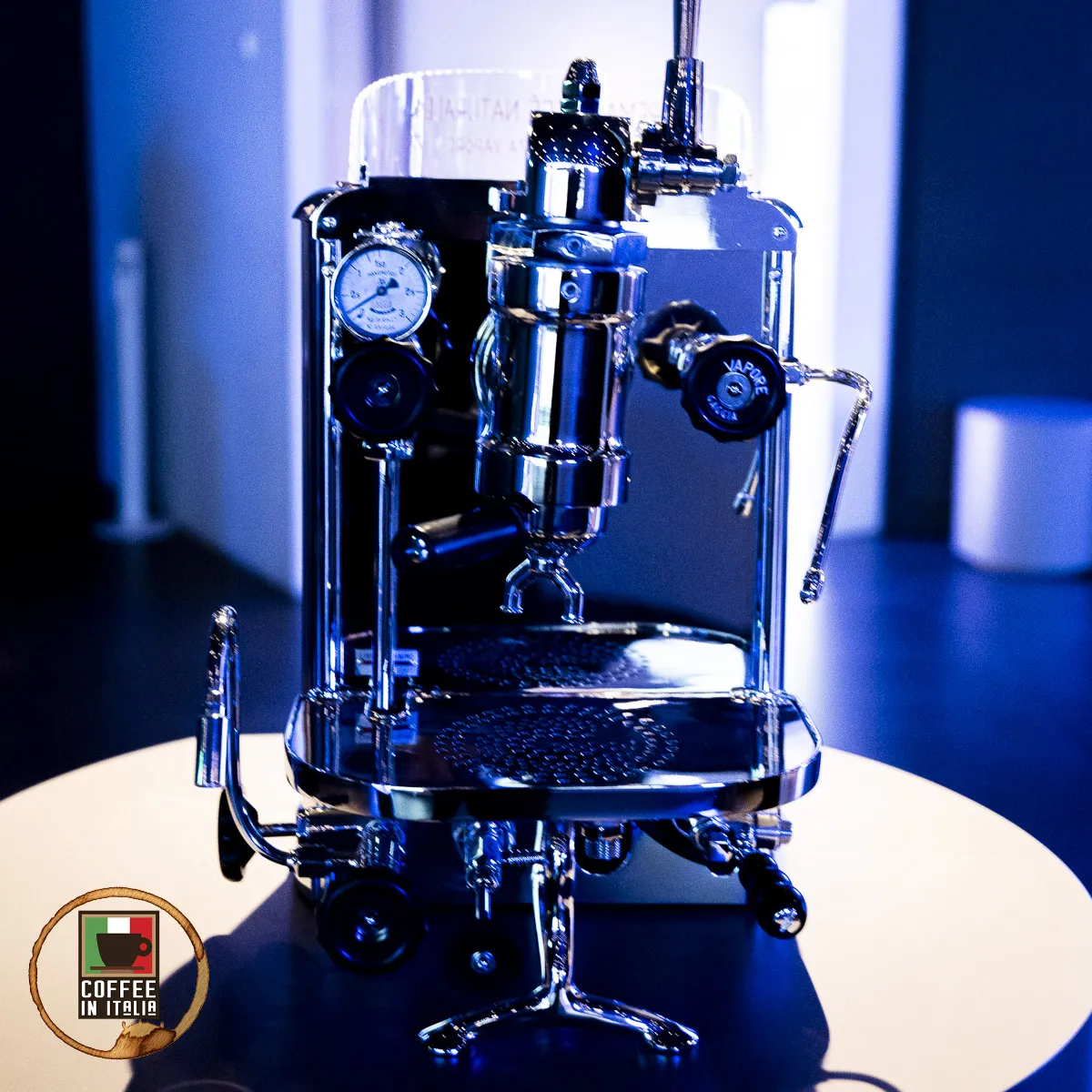
As we have been discussing, you can’t make a “real” espresso without a machine. Neither the capsule machines nor the moka pots can match the quality of a commercial grade, or high-quality home version, espresso maker.
What Is The 1:2 Rule For Espresso?
The 1:2 Rule to brew an espresso is a rough guide for a barista that fits into the parameters defined below. It shouldn’t be considered a requirement. It’s the ratio of finely ground Italian espresso roasted coffee to the resulting brewed liquid coffee. So, a 1:2 ratio means that for every gram of coffee you put into your basket, you should expect 2 grams of liquid espresso out.
Can I Make An Espresso With Regular Coffee?
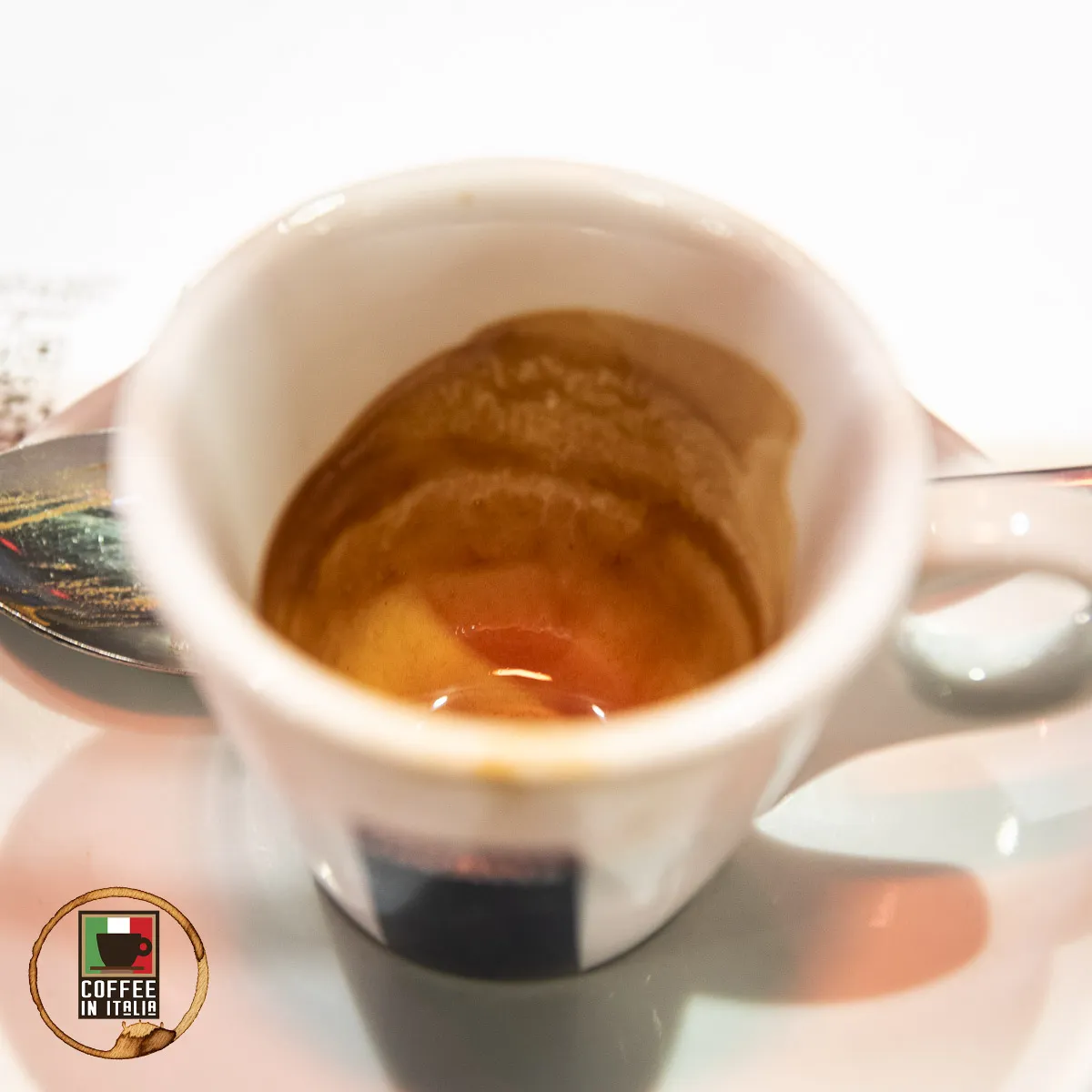
No, you won’t be able to make an acceptable traditional Italian espresso with regular (i.e. non-espresso type) coffee. Here are the two main reasons why this is so:
- Typically, non espresso coffee is not roasted dark enough for an enjoyable cup.
- The grind of a non-espresso is typically too large
Who Determines The Regulations To Brew An Espresso
We decided to use the regulations from the Unione Italiana Food. They are the leading association in Italy for direct representation of food product categories and among the first in Europe.
This is an organization whose mission is the enhancement and protection of companies, products and sectors that are among the excellences of our industry and that every day are called to new challenges on markets all over the world.
Regulations For How To Brew An Espresso Coffee
Here are the details for the proper way to brew an espresso coffee. There are three sections to be aware of. The first are the descriptions of the individual parameters being measured. The second are the descriptions of the units of measure. The third and final is the chart of parameter values.
The main assumption is that this espresso coffee is prepared with a professional espresso machine using a typical blend of coffee beans from Italian roasters.
Parameter Descriptions
- Extraction Pressure: The measuring instrument must have the following characteristics:
- Plastic insert to simulate the presence of coffee in the filter holder.
- Water outlet nozzle with dimensions between 0.25 and 0.30 mm, designed to allow the delivery of 52 g of water ± 3 g in 25 seconds at a pressure of 9 bar.
- Average Extraction Flow: Ratio between the volume of the beverage and the dispensing time of the beverage dose, monitoring the latter from the first drop.
- Extraction Temperature: The measuring instrument must have the following characteristics:
- Type T temperature reading probe with a diameter between 1.5 and 3 mm.
- The probe should be positioned approximately 1 mm away from the hot water shower head, and in a central position.
- Coffee Weight: quantity of coffee powder before dispensing for a single dose, weighed using a precision scale.
- Dry Residue (with oven drying method):
- This operating methodology involves filtering the beverage with a filter. After drying the sample in an oven at a constant temperature of 103 ± 2 °C until constant weight, compare the soluble solids obtained to the mass of the beverage dispensed.
- The second operating methodology is the same process at the first, but without filtering the beverage.
- Quantity In Cup: quantity of sample dispensed, weighed using a precision scale.
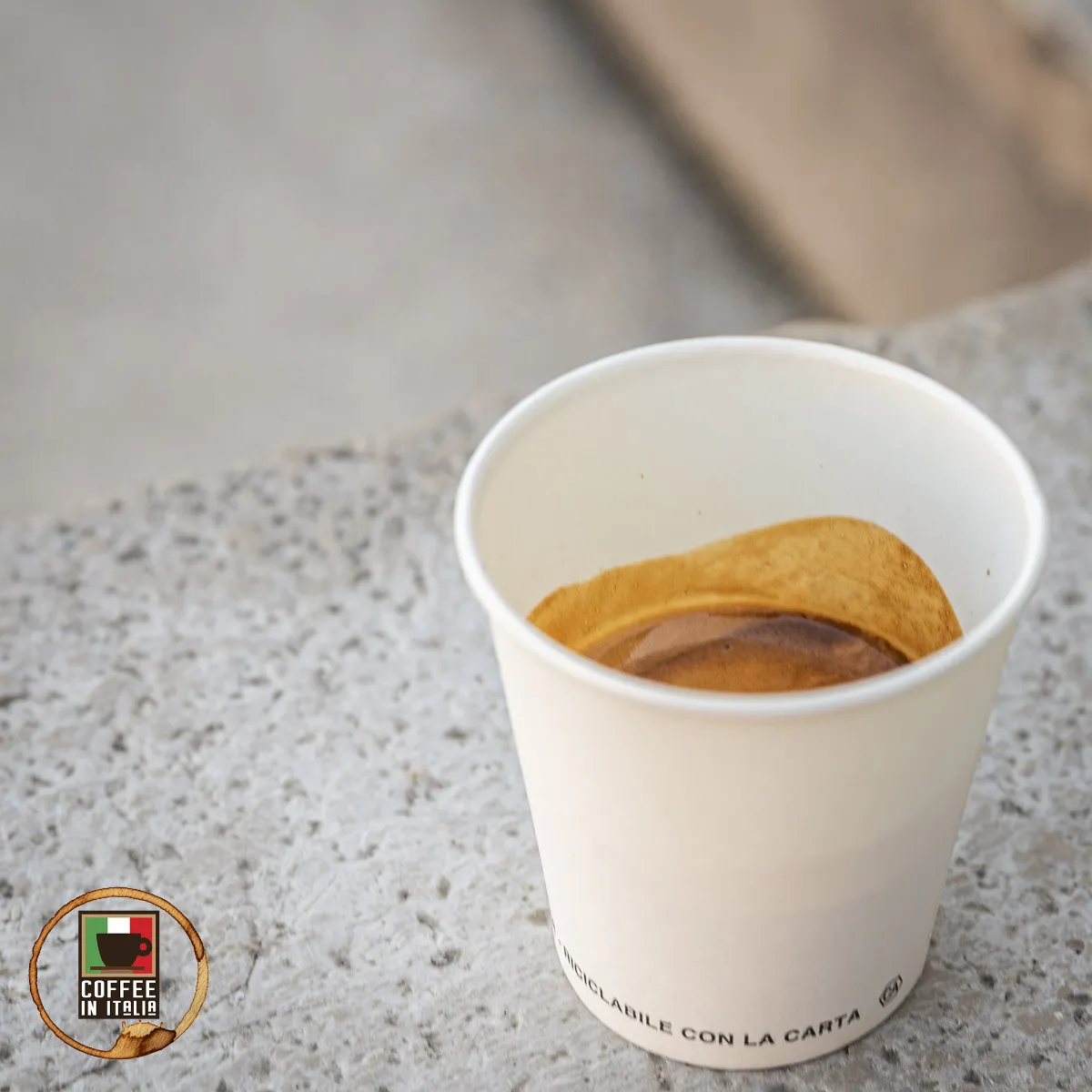
- Crema Persistence: The cream must be uniform and persistent for at least 120 seconds from the dispense of the unstirred beverage. Within 120 seconds, no holes should appear on the surface, revealing the liquid underneath.
- Extraction Time: time taken to dispense the drink dose monitored from the first drop.
Unit Of Measure Descriptions
- TDS = total dissolved solids
- bar = unit of pressure (in this case stream pressure)
- g = weight in grams
- s = time in seconds
- g/s = grams per second
- °C = degrees Celsius
| Parameter | Unit ofMeasure | LowerLimit | UpperLimit | |
| 1) Extraction pressure | [bar] | ≥ 8 | ||
| 2) Average extraction flow | [g/s] | 0,48 | 1,3 | |
| 3) Extraction temperature | [°C] | 90 | 96 | |
| 4) Coffee gram | [g] | 7 | 9 | |
| 5) Dry residue for filtered espresso | [TDS] | ≥ 5 | ||
| 5) Dry residue for unfiltered espresso | [TDS] | ≥ 5 | ||
| 6) Quantity in cup | [g] | 13 | 26 | |
| 7) Crema persistence (how long the crema should last in the cup) | [s] | 120 sec | ||
| 8) Extraction time | [s] | 20 | 27 | |
Calibration Requirements
With reference to the instruments used, and in particular for the thermometer, the item should be supplied with a calibration certificate upon purchase. Calibration should be carried out once a year, with intermittent checks between calibrations. Professional espresso machines must comply with the safety limits set by current regulations.
More Italian Coffee Culture Articles And Recipes
If you enjoyed this article on the specific measurements for the proper way to brew an espresso, you might also want to check out some of these other articles that celebrate the amazing coffee and the culture that you can find all over Italy:
- The Espresso Macchiato Is Italy’s Perfect Espresso Drink.
- A Suspended Coffee For Your Fellow Coffee Drinker.
- Italian Coffee Culture: Tradition, Taste And Community.
- The Best Italian Coffee Drinks That You Will Love.
- How To Order Coffee In Italy – Our Helpful Guide.
- These Are The Best Italian Coffee Cities For Culture.
- Italian Coffee Roasting Profiles Are As Diverse As Italy.
- How Can Italian Coffee Culture Influence The Globe?
- How Do Italian Values Influence Italian Coffee Culture?
- What Does Coffee Say About Social Class In Italy?
- The Influence Of Tourism On Coffee Culture In Italy.
- This Bicerin Coffee Recipe From Turin Is An Amazing Treat!